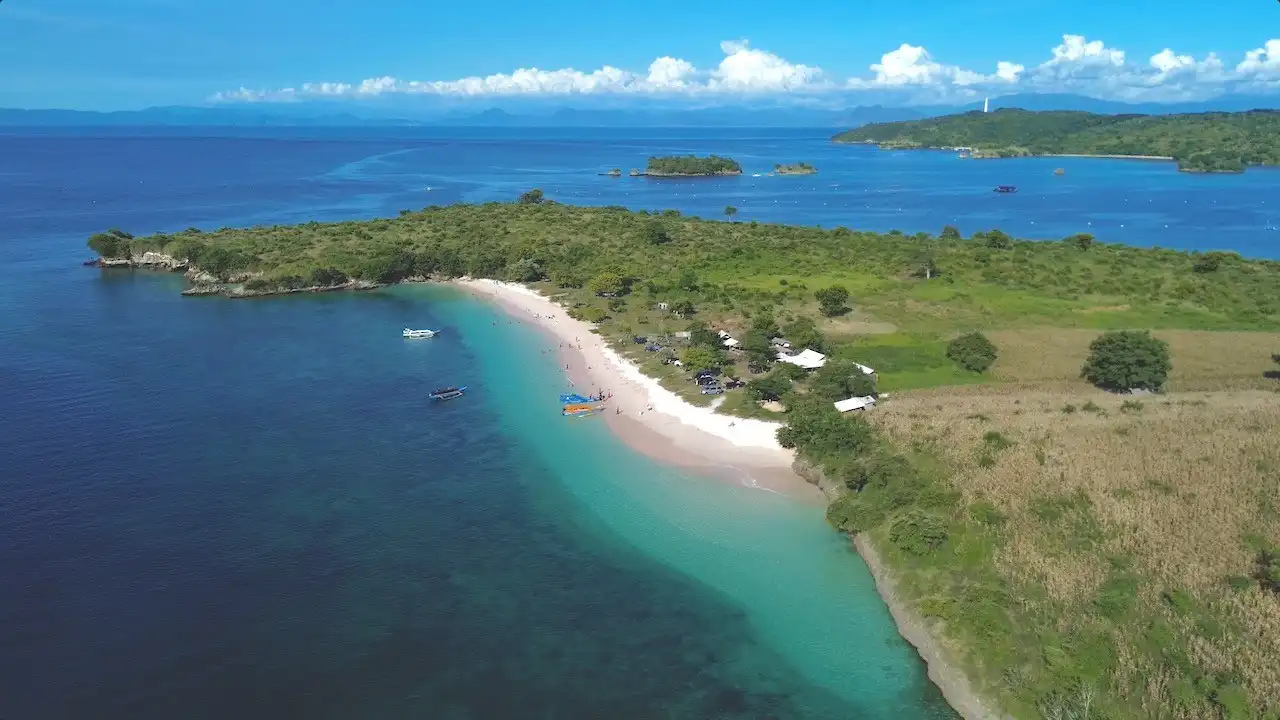
The traditional clothing of West Nusa Tenggara (NTB) is diverse, as this province, neighboring Bali, is inhabited by three different ethnic groups, each separated by the sea. In this article, we will focus on Lombok’s traditional attire. The traditional clothing of the Sumbawa and Bima ethnic groups will be discussed in detail in another article.
As an initial piece of information, the Sasak people are the indigenous ethnic group of Lombok Island. Meanwhile, the Samawa people live on Sumbawa Island, and they share the island with the Mbojo people, who reside on the eastern side of the island, specifically in the Dompu and Bima regions.

Where Can I Try Lombok Traditional Clothing?
In some of the Best Lombok tours packages we offer, you will have the opportunity to visit tourist destinations such as Sade Village, Ende Village, and Sukarara Weaving Village. There, you can try on traditional Sasak clothing at no extra cost.
You will also have the chance to take photos with the traditional Sasak houses in the background, providing a unique and cultural experience of Lombok’s heritage.
The Philosophy of the Sasak Traditional Clothing
The philosophy of the Sasak traditional clothing reflects the cultural values, beliefs, and identity of the Sasak people, who are the indigenous inhabitants of Lombok. Every element of the Sasak attire carries deep meaning, from the choice of materials to the way the clothing is worn.
- Modesty and Respect
The Sasak traditional attire emphasizes modesty, a key value in Sasak society. The clothing is designed to cover the body appropriately while maintaining elegance and grace. The colors and styles used in the attire are also a reflection of respect towards others and the environment. - Cultural Identity
Traditional Sasak clothing represents the unique identity of the Sasak people, distinguishing them from other ethnic groups in Indonesia. The designs and patterns, particularly in textiles like ikat and tenun (weaving), are often symbolic of the Sasak community’s connection to nature and their ancestors. - Social Status
In some cases, the style and materials of the clothing can signify the wearer’s social status or role in the community. For example, special clothing might be worn during important ceremonies or rituals, marking significant events like weddings, births, or religious observances. - Harmony with Nature
The Sasak people have a strong connection to nature, and this is reflected in their clothing. Natural dyes and locally sourced materials are often used in the creation of their traditional garments, symbolizing the community’s harmonious relationship with the environment.
In essence, Sasak traditional clothing is not just a matter of style, but a reflection of the values and deep cultural roots of the Sasak people.

Lombok Traditional Clothes Components
The traditional clothing of Lombok holds deep philosophical meaning that reflects the values and beliefs of the Sasak people. Each piece of attire symbolizes key aspects of life, love, and respect within the community.
- Selendang (Shawl or Lempot)
The shawl symbolizes affection, mutual love, and care for others. It also represents fertility and the respectful and polite behavior that should be applied in human interactions. It reflects the importance of compassion and empathy, values that are essential in the lives of Indonesians and the broader Nusantara community. - Kereng (Lower Cloth or Long Skirt)
This garment symbolizes politeness and fertility. The act of wearing it signifies respect for others, reflecting the importance of proper manners and respect in society. This characteristic is deeply embedded in the traditions of Eastern cultures, emphasizing respect for elders, peers, and the younger generation. - Tongkak Sabuk (Belt)
The belt worn at the waist symbolizes obedience to God Almighty and devotion to one’s parents. It signifies the responsibility of a woman, especially after marriage, to honor her husband, care for the home, and manage the family. This reflects the belief that women must uphold religious values and exhibit a more devout and responsible attitude after marriage. - Leang or Dodot (Symbol of Perseverance)
This garment represents the spirit of hard work, personal growth, and dedication to serving both family and society. It reminds individuals of their duty to provide a proper and dignified life for their families while maintaining respect for their parents and community. - Pangkak Mahkota (Crown or Headpiece)
The crown and its decorations, such as cempaka and rose flowers tucked into the hair, symbolize high status and power. The crown signifies authority and leadership, highlighting the importance of wisdom and grace in positions of power. Traditional Lombok attire, especially for ceremonial purposes, is designed to reflect these philosophical meanings and is intended to be applied in daily life. - Jewelry and Accessories (Bracelets, Necklaces, Earrings, Brooches, etc.)
The complete set of accessories symbolizes culture and high social status. The wearing of such jewelry signifies a person’s position in the community and social hierarchy. - Cappud Mahkota (Headpiece for Men)
The headpiece worn by men in Lombok symbolizes authority and obedience to God. The crown is seen as a balance, placed on the head, symbolizing leadership and wisdom. It represents power, grandeur, and responsibility, showing the importance of leadership and courage within society. - Pegon (Traditional Men’s Clothing)
Pegon, which has evolved to resemble a black suit, symbolizes dignity and respect. It represents a man’s role in society and his commitment to upholding social order and respect for others. - Keris (Traditional Sword)
The keris, once used for warfare and protection, now symbolizes valor, leadership, and readiness to face challenges. It embodies the spirit of a warrior who is prepared for any adversity. For those of noble descent, the keris is a reminder of their heritage and responsibility to be a role model for others. - Sapuk (Headpiece for Men)
The Sapuk worn by men in Lombok symbolizes masculinity and bravery. It represents the figure of a knight who leads with dignity and elegance. The motifs and design of the headpiece reflect a man of strength, courage, and nobility.
These traditional items are not merely ornamental; they carry significant meaning, teaching values such as respect, obedience, and leadership. The deep philosophical meanings embedded in Lombok’s traditional attire continue to guide and shape the social and cultural fabric of the Sasak people.

Lombok Traditional Clothing For Man
The traditional clothing of Lombok men is typically worn during ceremonial events, especially in West Nusa Tenggara (NTB), such as weddings or other formal occasions. In the local Lombok language, this attire is also referred to as “Godek Nongkeq”, where “Godek” refers to an animal similar to a monkey, and “Nongkek” means to present one’s rear. While the exact origin of this name is unclear, it is thought that it may refer to the shorter cut at the back of the garment, which exposes the wearer’s rear more prominently.
Here are the main elements of traditional men’s clothing in Lombok:
1. Sapuk (Headband)
- Description: The Sapuk is a woven cloth wrapped around the head, serving as a traditional headpiece for Sasak men.
- Motif and Color: The design typically features simple geometric patterns, with colors that complement the rest of the attire.
- Symbolism: The Sapuk symbolizes honor and wisdom.
2. Baju Adat Pria (Traditional Shirt)
- Types of Shirts:
- Baju Beleko: A loose-fitting, collarless traditional shirt.
- Baju Pegon: A shirt with European influences, typically dark in color and more formal in cut.
- Color: The shirts are usually white, black, or other dark colors, symbolizing simplicity and bravery.
3. Kain Tenun Songket (Songket Weaving Cloth)
- Description: The Songket is a woven fabric worn as a lower garment, wrapped around the waist like a sarong.
- Motif: The fabric often features traditional Lombok motifs, which can indicate social status or the significance of an event.
- Wearing Style: The songket is wrapped tightly around the waist, often with decorative folds in the front.
4. Sabuk (Belt or Pending)
- Description: A metallic belt adorned with decorative elements, worn around the waist to secure the songket.
- Symbolism: The pending (belt) not only enhances the appearance but also symbolizes strength and status.
5. Celana Panjang (Trousers)
- Description: Dark-colored trousers worn underneath the songket.
- Function: The trousers make movement easier and add a touch of neatness to the attire.
6. Additional Accessories
- Keris: The keris (a traditional dagger) is often tucked at the waist, either at the back or side, symbolizing courage and honor.
- Necklaces and Bracelets: Some men wear additional accessories such as beaded necklaces or metal bracelets during ceremonial events.
7. Color and Symbolism
- Colors: The colors of men’s traditional clothing in Lombok tend to be more neutral or dark, reflecting masculinity and dignity.
- Meaning: Every element of the traditional men’s attire represents the role of men as protectors and leaders within the Sasak culture.
8. Usage of Lombok Traditional Men’s Clothing
- Nyongkolan Ceremony: Men wear complete traditional attire when accompanying the bride and groom during the wedding procession.
- Peresean Ceremony: In traditional martial arts or skill contests, participants wear simple attire, but still include the sapuk and songket.
- Traditional Weddings: Men wear lavish outfits with songket and complete accessories for the wedding ceremony.
Traditional men’s clothing in Lombok embodies the profound cultural values of the Sasak people, symbolizing their pride, leadership, and rich cultural heritage.

Lombok Traditional Clothing For Women
Traditional Clothing of Lombok Women is typically made from traditional woven fabrics adorned with unique motifs and vibrant colors that reflect local wisdom and culture. Below are the main elements of Lombok women’s traditional clothing:
1. Kain Tenun Songket (Songket Weaving Cloth)
- Description: The Songket fabric is the primary material for Lombok women’s traditional attire. It is traditionally woven using gold or silver thread, creating beautiful and luxurious motifs.
- Wearing Style: The fabric is wrapped around the body as a sarong or long skirt, known as kain lambung.
2. Baju Lambung Sasak (Traditional Lombok Top)
- Description: The Baju Lambung Sasak is a sleeveless top that resembles a kebaya but with a simpler cut.
- Color: The top is typically a contrasting color to the songket fabric worn underneath.
- Characteristics: The edges of the top are often decorated with golden embroidery or simple motifs.
3. Selendang Tenun (Woven Shawl)
- Description: The selendang (or kemben) is worn as an accessory, draped over the shoulders or wrapped around the body.
- Symbolism: Apart from its aesthetic function, the selendang is also used in certain ritual activities.
4. Accessories
- Earrings and Bracelets: Lombok women often wear large earrings, bracelets, and necklaces made from gold or silver as symbols of social status.
- Sabuk (Belt or Pending): A decorative metal belt is worn at the waist to secure the fabric.
- Head Decorations: During ceremonies, women wear decorative flowers, small crowns, or headpieces such as sapuk, a headwrap, to complement their attire.
5. Color and Motifs
- Colors: Traditional clothing for women in Lombok often features bright colors like red, gold, green, or blue, symbolizing prosperity and joy.
- Motifs: The motifs on the songket fabric typically represent local cultural elements, such as flora, fauna, or spiritual symbols.
6. Bridal Clothing
- Bridal Attire: For wedding ceremonies, Lombok women wear more elaborate traditional clothing with layers of songket and large golden accessories. The outfit is often paired with elegant makeup typical of Lombok’s beauty standards.
The traditional clothing of Lombok women embodies the rich cultural identity of the Sasak people, showcasing elegance, honor, and the local values of prosperity and grace.

Lombok Traditional Clothing Usages
The traditional clothing of the Sasak people, such as Lambung Sasak and Pegon, is still preserved and worn during various cultural and religious ceremonies.
Traditional Ceremony
These events help maintain the sacredness of the tradition and showcase the local cultural identity. Here are some of the ceremonies in Lombok where traditional Sasak clothing is worn:
1. Upacara Mulud Adat & Lebaran Adat (Mulud & Lebaran Rituals)
- These rituals are still practiced in the Bayan area of North Lombok.
- The ceremonies involve traditional attire to preserve the sacred atmosphere and cultural identity.
2. Upacara Peresean (Peresean Ceremony)
- This ceremony is performed to ask for rain and is typically carried out in regions vulnerable to drought, especially in the southern part of Lombok.
- Participants in the ceremony wear traditional attire to maintain the cultural significance of the event.
3. Upacara Bau Nyale (Bau Nyale Festival)
- While not all participants in the Bau Nyale festival wear traditional clothing, there are special moments during the event when local leaders and elders don traditional Lombok attire to preserve the ceremonial practices.
- The ceremony celebrates the arrival of the Nyale (sea worms) as part of a cultural and spiritual tradition.
4. Upacara Rebo Bontong (Rebo Bontong Ceremony)
- This ceremony is held to reject bad luck and ask for blessings, usually on the last Wednesday of the Safar month according to the Hijri calendar.
- During the ceremony, the local people often wear traditional woven cloths as a symbol of cultural pride and heritage.
5. Upacara Perang Topat (Perang Topat Festival)
- The Perang Topat festival is a peaceful tradition that celebrates the harmonious relationship between Muslim and Hindu communities in Lingsar, West Lombok.
- Traditional clothing is worn by participants to honor the religious and cultural diversity and unity during the event.
These ceremonies reflect the deep-rooted cultural values of the Sasak people, where traditional attire plays a key role in maintaining the sacredness and cultural integrity of each ritual. The wearing of Lombok’s traditional clothing during these events also serves as a symbol of pride and respect for the island’s heritage.

In addition to traditional ceremonies, Lombok is also home to a variety of cultural festivals and events where traditional attire is worn and celebrated:
Festival Budaya (Cultural Festivals)
- Senggigi Festival and Pringgasela Weaving Festival are among the regular cultural festivals held in Lombok. These events showcase the rich cultural heritage of the island, with performances, art displays, and traditional clothing worn by participants.
- These festivals are an opportunity to highlight the Sasak culture, including the traditional music, dance, and crafts, such as weaving, that are iconic to Lombok.
Penyambutan Tamu Agung (Reception of Distinguished Guests)
- When receiving high-ranking officials such as the President or ministers, the people of Lombok often greet them wearing traditional NTB (Nusa Tenggara Barat) attire, including Sasak clothing, to show respect and pride in their heritage.
Penyambutan Wisatawan (Tourist Reception)
- To create a warm and immersive welcome for tourists, tour guides and local hostesses in Lombok often wear traditional attire, including the Sasak shawl (selendang), which is draped around the guests’ necks upon arrival. This practice adds a cultural touch to the experience of visiting Lombok.
Tarian Adat (Traditional Dances)
- Traditional dances are a vital part of Lombok’s cultural expression, and dancers usually wear traditional attire specific to their regions during official performances.
- These dances, whether performed at festivals or cultural events, serve to preserve the history and values of the Sasak people.
Sorong Serah Aji Krame (Marriage Ritual)
- As part of the Sasak marriage ritual, the groom’s family presents a dowry (mahar) to the bride’s family in a ceremony called Sorong Serah Aji Krame.
- Traditional attire is worn during this exchange, symbolizing the respect and cultural values that govern Sasak marriages.
Nyongkolan (Wedding Procession)
- Nyongkolan is a ceremonial procession in which the bride and groom, dressed in elaborate traditional attire, are paraded from the groom’s house to the bride’s house.
- The bride and groom wear songket cloth (woven fabric with gold or silver threads) with distinct motifs, while the groom wears a sapuk (head covering). This tradition is an important part of Sasak wedding celebrations and a beautiful display of Lombok’s cultural identity.
School Tradition on Specific Days
- The government has implemented a policy requiring students to wear traditional attire on certain days, fostering an appreciation for cultural heritage among the younger generation. This practice helps to ensure the continuity of traditional clothing and the love for ancestral customs from an early age.
These events and practices not only help preserve and promote the cultural heritage of Lombok but also create a sense of pride and connection to the island’s traditions, allowing both residents and visitors to appreciate the depth and beauty of the local culture.

Modernized Lombok Traditional Clothes
Indeed, cultural products, including traditional clothing, often evolve over time to remain relevant in a changing world. The Sasak traditional attire has also adapted to modern times while maintaining its essence, allowing it to continue being meaningful and practical today.
For example, in NTB women’s traditional clothing, the sanggul (traditional hair bun) that was once part of the ensemble has gradually been replaced with the jilbab or Hijab (headscarf). This change reflects the modernization of cultural practices, while still respecting the values of modesty and tradition that the Sasak people hold dear.
Such adaptations show how cultural attire can evolve to align with contemporary practices without losing the cultural identity and meaning behind the garments. This flexibility allows traditional clothing to stay relevant and functional, particularly for younger generations who may prefer more modern or practical solutions while still honoring their heritage.

Lombok Traditional Clothing For Childrens
Indeed, traditional Lombok attire for children generally follows the same basic elements as adult clothing, but with a few modifications for practicality and comfort. These adaptations make it easier for children to wear the attire without compromising the cultural essence.
For example:
- Children’s attire might have simpler designs or fewer layers compared to adult clothing, making it easier for them to move around and stay comfortable.
- Accessories such as intricate jewelry or heavy headpieces might be omitted or replaced with lighter alternatives suitable for children.
These traditional outfits are widely available in local rental salons for special occasions like ceremonies or festivals, and they are also commonly sold in marketplaces. The availability of these outfits in e-commerce platforms makes it easier for families to access and celebrate their cultural heritage without hassle. This approach ensures that even the younger generation can participate in traditional events while enjoying the benefits of modern convenience.

Similarities & Differences Between Lombok Traditional Clothing and Other Traditional Clothing in NTB
Lombok and Bima Traditional Clothing, both originating from the West Nusa Tenggara (NTB) region, each have their unique features that reflect the culture and traditions of the local communities. Below are the similarities and differences between traditional clothing from Bima and Lombok:
Lombok and Bima Traditional Clothing Comparison
Similarities:
- Main Material – Traditional Woven Fabric:
Both traditional attires use woven fabric as the primary material, with each region having its own distinctive motifs. - Symbolic Value:
In both Bima and Lombok, the traditional clothing reflects the social status, cultural values, and ethnic identity of the people. - Usage of Bright and Dark Colors:
The clothing for men is typically dominated by dark colors such as black and brown, symbolizing bravery. Women’s clothing, on the other hand, often uses bright colors to symbolize elegance and beauty. - Traditional Accessories:
Both male and female traditional clothing from these regions often include accessories like belts (pending), gold or silver jewelry, and for men, a keris (traditional dagger) as a symbol of honor. - Worn in Traditional Ceremonies:
Both Bima and Lombok traditional clothing are

Differences:
Styles and Models of Clothing:
Lombok Traditional Clothing:
- Women: Wear lambung (a sleeveless top) paired with songket fabric.
- Men: Wear baju beleko or pegon, accompanied by songket cloth tied around the waist.
Bima Traditional Clothing:
- Women: Wear rimpu, a type of sarong that covers the body up to the head, often serving as a traditional hijab.
- Men: Wear sambolo (a traditional headband) and simpler woven fabric compared to Lombok.
Woven Fabric Motifs:
- Lombok Traditional Clothing: The motifs on woven fabric are usually more intricate and brightly colored, often featuring gold or silver threads in the songket.
- Bima Traditional Clothing: The motifs are simpler, often geometric or nature-based, reflecting the personality and culture of the Bima people.
Head Decorations:
- Lombok: Men wear sapuk (a traditional headband), characteristic of the Sasak people.
- Bima: Men wear sambolo, which has a different form and wrapping style from Lombok’s headband.
Women’s Accessories:
- Lombok: Women wear gold jewelry such as necklaces, bracelets, and large earrings.
- Bima: Women use simpler, more practical jewelry and focus on the functional role of the rimpu as a symbol of modesty.
Symbolic Meaning:
- Lombok: Traditional clothing emphasizes beauty and social status, particularly through the use of songket fabric.
- Bima: Traditional clothing emphasizes simplicity and modesty, as reflected in the use of the rimpu.
Use in Daily Life:
- Lombok Traditional Clothing: Worn primarily during major events or special rituals.
- Bima Traditional Clothing: The rimpu is also worn daily by women as a traditional head covering.

Comparison of Lombok Traditional Clothing with Sumbawa Traditional Clothing
Both Lombok and Sumbawa are part of Nusa Tenggara Barat (NTB), and their traditional clothing reflects the local culture and customs. Below are the similarities and differences between the traditional clothing of Lombok and Sumbawa:
Similarities Between Lombok and Sumbawa Traditional Clothing:
- Use of Traditional Woven Fabrics:
Both Lombok and Sumbawa traditional clothing incorporate woven fabrics as a key element. These fabrics are made using traditional techniques and feature distinct patterns that represent the local culture. - Symbolic Colors:
Both regions use bright and dark colors in their traditional clothing. Bright colors are typically worn by women, while dark colors are worn by men. These colors carry meanings such as courage, purity, or elegance. - Additional Accessories:
Both Lombok and Sumbawa traditional clothing include accessories such as belts (pending), gold or silver jewelry, and keris (traditional sword), which symbolize social status and have symbolic functions in cultural rituals. - Usage in Traditional Events:
Traditional clothing from both Lombok and Sumbawa is worn during important cultural ceremonies, including weddings, the nyongkolan (traditional wedding procession), and other traditional rituals. - Philosophical Meaning:
Both Lombok and Sumbawa traditional clothing carry deep philosophical meanings, symbolizing customs, social status, and the cultural identity of their respective societies.

The Differences:
Here is a comparison table between Lombok and Sumbawa traditional clothing:
| Aspect | Baju Adat Lombok | Baju Adat Sumbawa |
|---|---|---|
| Women’s Top | Lambung (sleeveless) or kemben made of songket. | Lambu (with long or short sleeves). |
| Women’s Bottom | Songket fabric with intricate patterns and gold/silver threads. | Woven fabric with simpler patterns. |
| Men’s Clothing | Baju beleko or baju pegon with songket fabric. | Baju berang with woven fabric wrapped around the waist. |
| Woven Fabric Patterns | Intricate, bright colors, with gold/silver threads. | Simple, with dominant geometric patterns and soft colors. |
| Men’s Headgear | Sapuk with typical Sasak folds. | Sapuq Jontal, a traditional headband unique to Sumbawa. |
| Women’s Accessories | Large earrings, gold bracelets, and noticeable jewelry. | Simpler jewelry, such as beaded necklaces. |
| Symbolic Meaning | Emphasizes social status and aesthetic beauty. | Focuses on simplicity and balance in life. |
| Daily Use | Rarely used, mostly for ceremonial events. | Still often worn in daily life. |
Conclusions
- Lombok Traditional Clothing: More luxurious and intricate, highlighting aesthetic values and social status, especially through the use of songket fabric with gold/silver threads.
- Sumbawa Traditional Clothing: Simpler, reflecting the simplicity and culture of the agrarian-maritime society, with soft and elegant woven fabric patterns.